-
 About
AboutDeeply cultivating the home furnishing industry for 20 years, willing to be a guardian of the home furnishing industry
-
 Product
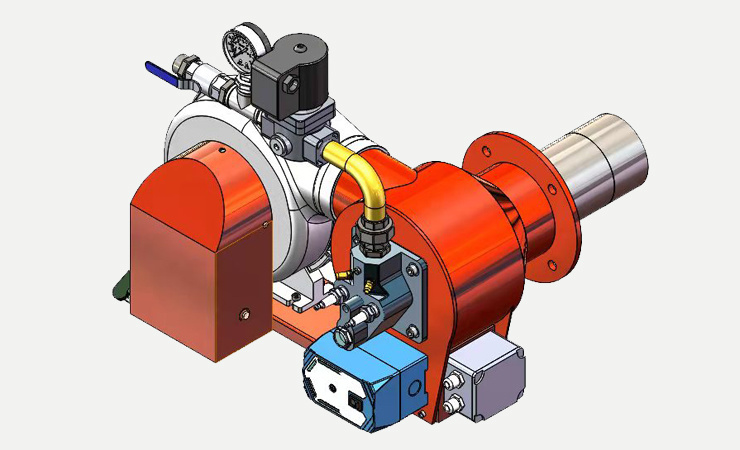
We are a high-tech company that integrates "production", "learning", and "research" to provide you with suitable thermal energy solutions. We specialize in thermal energy combustion equipment, complete sets of furnace combustion automatic control equipment, environmentally friendly flue gas treatment equipment, metal heat treatment equipment, and agricultural food film and leather armor spraying and drying design.
-
-
 Service Support
Our experienced service team quickly understands the actual needs of customers, efficiently designs solutions for enterprises, and manufactures customized high-efficiency, environmentally friendly, and energy-saving combustion equipment.
-
 Blog
BlogExperience in the thermal energy machinery industry for the construction and renovation of combustion equipment
-
 Contact Us
24/7 customer service online, providing consultation, selection, quotation, and emergency problem handling services.

Safe, energy-saving, low nitrogen, and environmentally friendly
Environmental Protection Industry
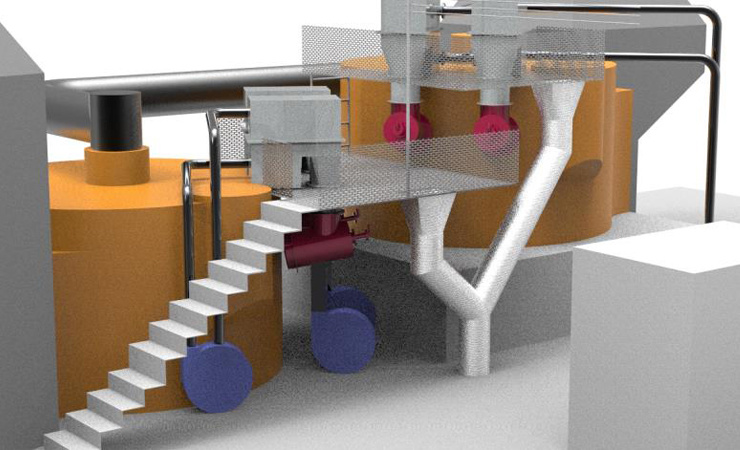
Traditionally, domestic liquid-tank heating methods have relied on steam or high-temperature water for heat exchange during processes such as pre-cleaning, phosphating, and degreasing. This approach necessitates the installation of complex heating equipment, extensive piping networks, valves, and heat exchangers both inside and outside the factory, around the liquid tanks. Not only does this consume valuable space within the facility, but it also increases maintenance costs. Moreover, heat transfer efficiency tends to be low when using high-temperature water or steam, leading to higher operational expenses.
Using gases such as natural gas, propane, and butane as fuel, the flame burns directly within the heating tubes at the bottom of the liquid tank, efficiently and uniformly heating the liquid inside through the optimized length and arrangement of the heating tubes. This system achieves a thermal efficiency of over 80% and enables automatic temperature control, making it the ideal choice and the future direction for industrial liquid-tank heating applications.


Contact Information
Company Address:First Floor, Zhangcha Life Science Park, Chancheng District, Foshan City, Guangdong Province
Helpline:+8618123502747
Office phone:+860757-83370984
Fax:0757-85653501
Email:fshongxing.cn@163.com
Website:http://www.fshongxing.cn