-
 About
AboutDeeply cultivating the home furnishing industry for 20 years, willing to be a guardian of the home furnishing industry
-
 Product
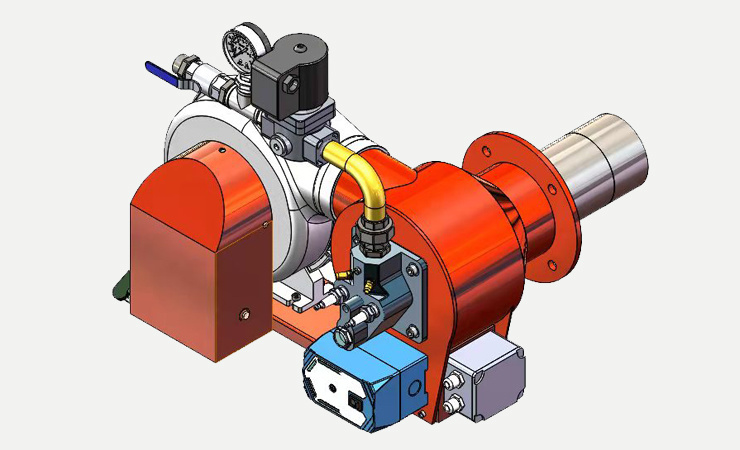
We are a high-tech company that integrates "production", "learning", and "research" to provide you with suitable thermal energy solutions. We specialize in thermal energy combustion equipment, complete sets of furnace combustion automatic control equipment, environmentally friendly flue gas treatment equipment, metal heat treatment equipment, and agricultural food film and leather armor spraying and drying design.
-
-
 Service Support
Our experienced service team quickly understands the actual needs of customers, efficiently designs solutions for enterprises, and manufactures customized high-efficiency, environmentally friendly, and energy-saving combustion equipment.
-
 Blog
BlogExperience in the thermal energy machinery industry for the construction and renovation of combustion equipment
-
 Contact Us
24/7 customer service online, providing consultation, selection, quotation, and emergency problem handling services.
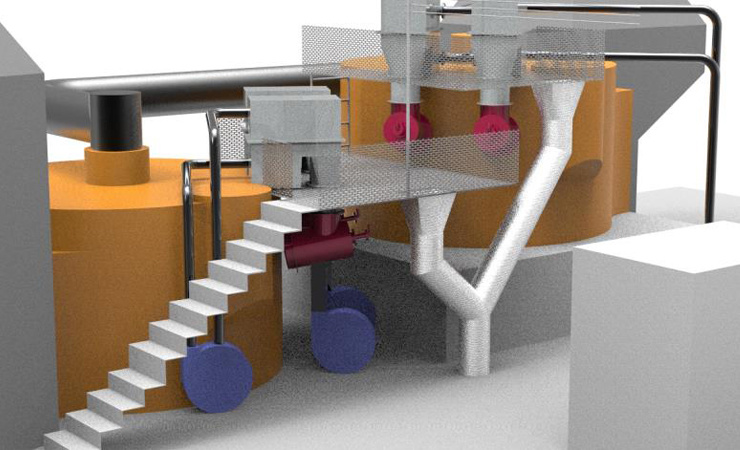
A Review of Indonesia's Biomass Co-firing Practices in Coal-Fired Power Plants

2025/04/21
1. Policy Framework and Implementation Pathways 1. National Goals and Mandatory Policies

2. Economic and Emission Reduction Balance
2. Technical Details and Achievements of Demonstration Projects 1. PLN Indonesia Power National Pilot Network
3. Technological Innovation and Raw Material Management 1. Pyrolysis Technology Optimizes Fuel Characteristics
4. Existing Challenges and Policy Recommendations 1. Core Issues
5. Summary
Burner
Previous page
Other news
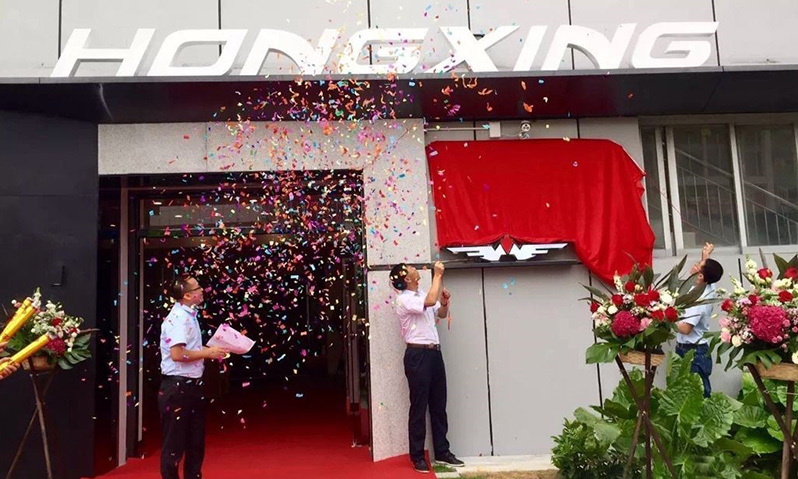
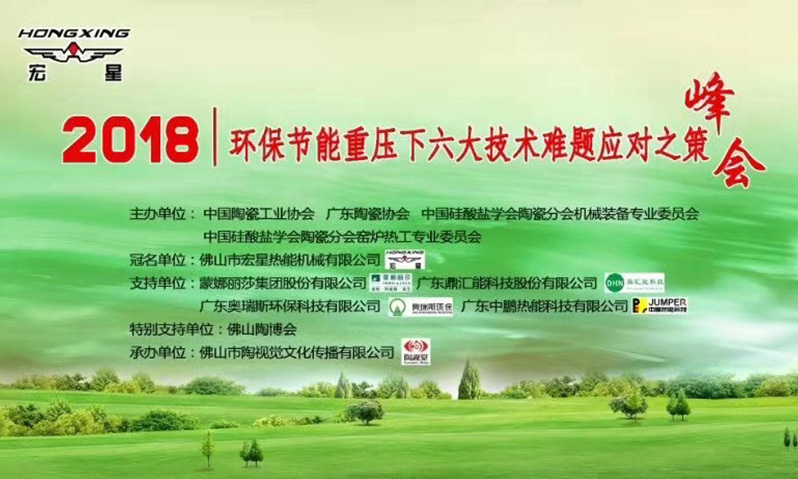

2024-09-04
Contact Information
Company Address:First Floor, Zhangcha Life Science Park, Chancheng District, Foshan City, Guangdong Province
Helpline:+8618123502747
Office phone:+860757-83370984
Fax:0757-85653501
Email:fshongxing.cn@163.com
Website:http://www.fshongxing.cn